Not every team can take home a valuable draft pick, especially if they throw darts far from the top of the board.
We can’t say enough great things about the Cleveland Browns and Las Vegas Raiders, Dallas Cowboys and New York Jets as well as their fellow stadium tenants, the Giants. From top to bottom, there’s a lot to like about the Panthers’ draft as well.
But we don’t know what some of the other teams were thinking during the three-day NFL draft that concluded Saturday in Pittsburgh.
Jacksonville Jaguars
From all the splashes and fizzes of 2025 to … what the vibes are in 2026, maybe this is what life is like with a 30-something general manager. We can’t say Travis Hunter, who cost Jacksonville a 2026 first-round pick in a deal with the Browns on draft night ’25, was a home run. Or even an infield single. And right now we can’t say much about what the Jaguars do in this draft. The franchise is designing a “culture” and we want to know how that counts from year to year.
San Francisco 49ers
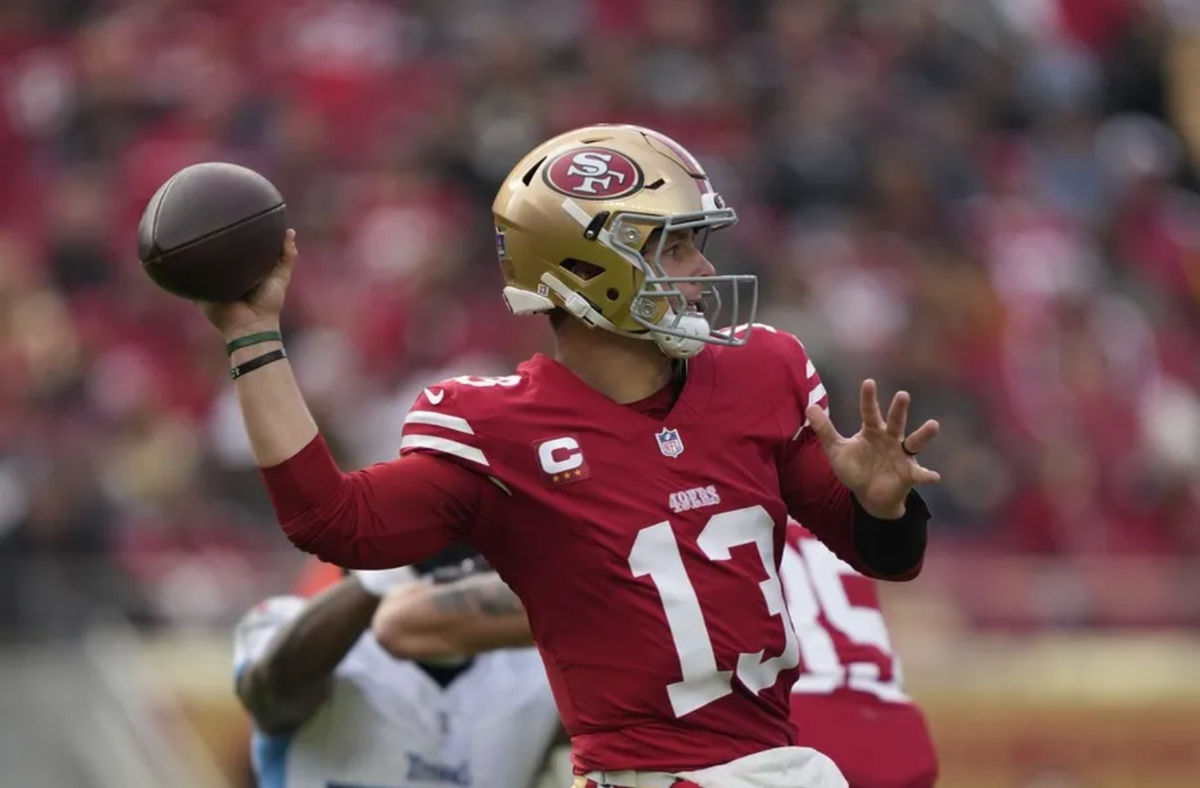 December 14, 2025; Santa Clara, California, USA; San Francisco 49ers quarterback Brock Purdy (13) prepares to pass the ball in the first quarter against the Tennessee Titans at Levi’s Stadium. Mandatory Credit: Kyle Terada-Imagne Images
 Jumbo receiver going 20 picks later De’Zhaun Stribling (Ole Miss) wasn’t completely unexpected. But the 49ers signed Mike Evans and 2025 first-rounder Ricky Pearsall was selected as the primary receiver. If these things are calculated internally, what’s the payoff with Stribling? This isn’t a division where drafting depth over difference-makers can be survival mode. Indiana RB Kaelon Black will also be on the board later and he is a special player as long as the 49ers have McCaffrey. So two of the top three picks are small players in a division where anyone north of Arizona will be very competitive.
Atlanta Falcons
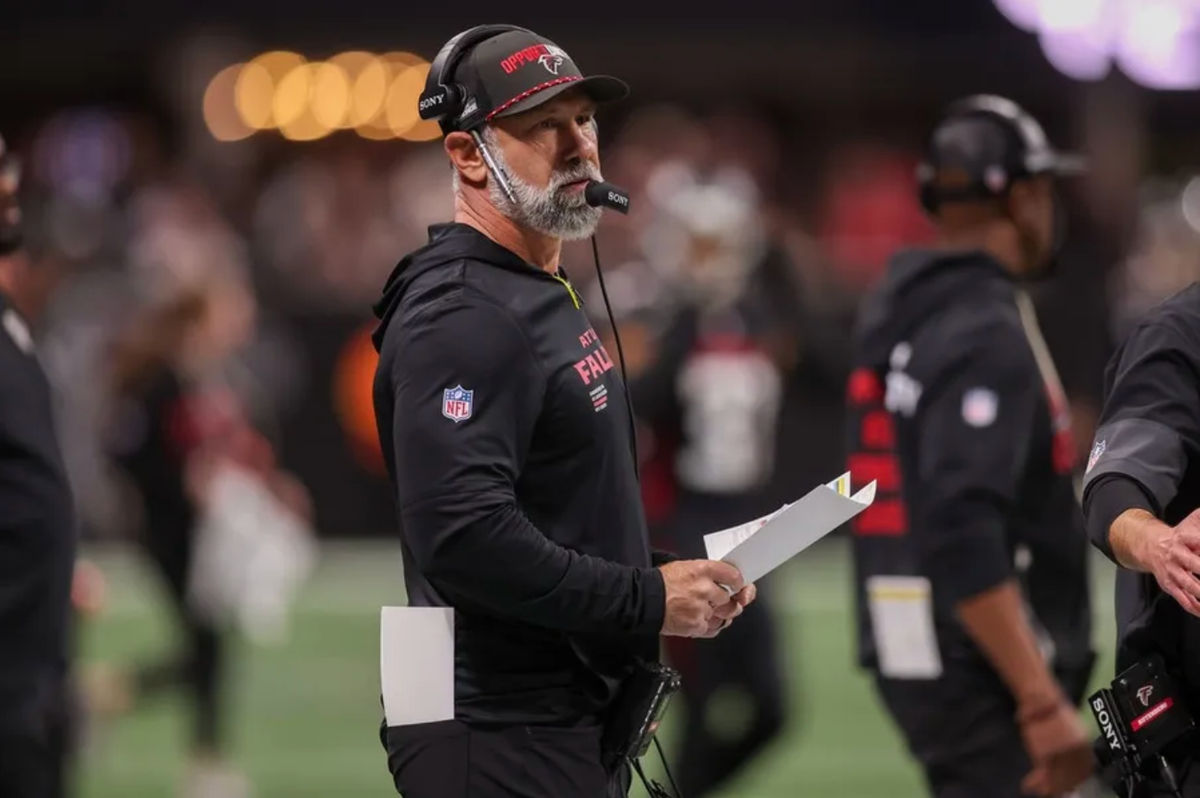 January 4, 2026; Atlanta, Georgia, USA; Atlanta Falcons defensive coordinator Jeff Ulbrich on the sideline against the New Orleans Saints in the first quarter at Mercedes-Benz Stadium. Mandatory Credit: Brett Davis-Imagne Images
 Clemson cornerback Avieon Terrell provides immediate value and it’s fair to wonder if the Falcons have buyer’s remorse over trading a first-round pick for James Pearce Jr. in 2025 considering off-field issues. The draft isn’t deep enough to find high-end pass rushers or offensive tackles in the late rounds. Using their third draft pick of the year on Kendal Daniels (Oklahoma) at No. The 134 is proof that the Falcons are hoping for a big run. Daniels’ position in this defense is unclear at this time.
PakarPBN
A Private Blog Network (PBN) is a collection of websites that are controlled by a single individual or organization and used primarily to build backlinks to a “money site” in order to influence its ranking in search engines such as Google. The core idea behind a PBN is based on the importance of backlinks in Google’s ranking algorithm. Since Google views backlinks as signals of authority and trust, some website owners attempt to artificially create these signals through a controlled network of sites.
In a typical PBN setup, the owner acquires expired or aged domains that already have existing authority, backlinks, and history. These domains are rebuilt with new content and hosted separately, often using different IP addresses, hosting providers, themes, and ownership details to make them appear unrelated. Within the content published on these sites, links are strategically placed that point to the main website the owner wants to rank higher. By doing this, the owner attempts to pass link equity (also known as “link juice”) from the PBN sites to the target website.
The purpose of a PBN is to give the impression that the target website is naturally earning links from multiple independent sources. If done effectively, this can temporarily improve keyword rankings, increase organic visibility, and drive more traffic from search results.